Skip to main content

Types of Accidents: From Everyday Incidents to Serious Injuries
Accidents can happen anywhere — on the road, at work, at home, or even during everyday activities. However, most accidents follow predictable patterns. If you understand the most common types of accidents, you can take simple steps to reduce your risk and protect yourself and your family.
In this guide, we break down the 15 most common types of accidents in 2026, what causes them, and how to avoid them.
What Are the Most Common Types of Accidents?
The most common accidents include:
- Car and road traffic accidents. If you have been involved in this type of accident, then a car accident lawyer will be able to assist you in getting fair compensation.
- Slips, trips, and falls
- Workplace accidents
- Motorcycle and bicycle accidents
- Construction accidents
- Boating and recreational accidents
Many of these accidents are preventable with better awareness and safety habits.
15 Types of Accidents and How To Prevent Them
- Road Traffic Accidents
Estimated Frequency: High
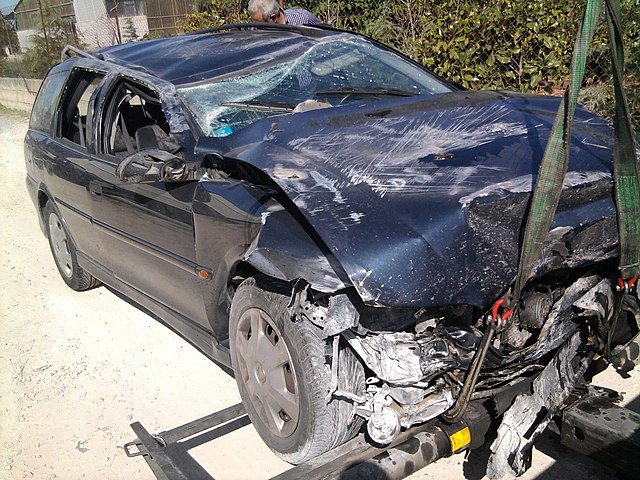
Road traffic accidents are the most common and most serious type of accident.
They include:
- Car crashes
- Truck accidents
- Rear-end collisions
- Intersection accidents
The leading causes include distracted driving, speeding, and impaired driving.
Prevention Tip:
Follow traffic laws, avoid distractions, and never drive under the influence.
Get a free case evaluation today!
Types of Accidents Video: The dangers of distracted driving
- Slips, Trips, and Falls
Estimated Frequency: High
These accidents happen in homes, workplaces, and public spaces.
Common causes:
- Wet floors
- Uneven surfaces
- Poor lighting
- Cluttered walkways
They are especially dangerous for older adults.
Prevention Tip:
Keep walkways clear, improve lighting, and use non-slip surfaces.
- Workplace Accidents
Estimated Frequency: Moderate to High
Workplace injuries can occur in any industry, but are more common in:
- Construction
- Manufacturing
- Warehousing
Common causes include falls, machinery accidents, and unsafe working conditions.
Prevention Tip:
Follow safety procedures, wear protective gear, and report hazards immediately.
- Medical Accidents (Medical Errors)
Estimated Frequency: Moderate
Medical accidents occur within healthcare settings and can include:
- Misdiagnosis
- Surgical errors
- Medication mistakes
- Hospital-acquired infections
Prevention Tip:
Ask questions, double-check medications, and seek second opinions when necessary.
- Natural Disaster-Related Accidents
Estimated Frequency: Low to Moderate
These accidents result from events like:
- Floods
- Tornadoes
- Hurricanes
- Earthquakes
While unpredictable, preparation can reduce harm.
Prevention Tip:
Have an emergency plan and disaster kit ready.
- Industrial Accidents
Estimated Frequency: Moderate
Industrial accidents occur in factories and plants and may involve:
- Equipment failure
- Chemical exposure
- Fires and explosions
Prevention Tip:
Strictly follow safety protocols and report equipment issues early.
- Sports and Recreational Accidents
Estimated Frequency: Moderate
These accidents happen during physical activity and can include:
- Sprains and fractures
- Head injuries
- Overuse injuries
Prevention Tip:
Use proper equipment and follow safety rules for your activity.
- Aviation Accidents
Estimated Frequency: Low
Though rare, aviation accidents can be severe.
They may result from:
- Mechanical failure
- Pilot error
- Weather conditions
Prevention Tip:
Follow all safety instructions and fly with reputable airlines.
- Fire and Burn Accidents
Estimated Frequency: Moderate
Common causes include:
- Electrical faults
- Cooking accidents
- Gas leaks
These accidents can cause serious injuries and property damage.
Prevention Tip:
Install smoke detectors and regularly check electrical systems.
- Recreational Water Accidents
Estimated Frequency: Moderate
These include:
- Drowning incidents
- Diving injuries
- Boating collisions
Prevention Tip:
Learn water safety, supervise children, and wear life jackets.
- Construction Site Accidents
Estimated Frequency: Moderate to High
Construction sites are high-risk environments.
Common accidents include:
- Falls from heights
- Falling objects
- Equipment-related injuries
Prevention Tip:
Use protective gear and follow all site safety regulations.
- Electrical Accidents
Estimated Frequency: Moderate
Electrical hazards can lead to:
- Electrocution
- Electrical fires
- Severe burns
Prevention Tip:
Use qualified electricians and avoid overloading circuits.
- Bicycle and Motorcycle Accidents
Estimated Frequency: Moderate
These accidents often involve collisions with larger vehicles.
Risks are higher due to limited protection for riders.
Prevention Tip:
Wear helmets, stay visible, and follow traffic laws.
- Explosions and Structural Failures
Estimated Frequency: Low to Moderate
These accidents may involve:
- Gas explosions
- Building collapses
- Infrastructure failures
Prevention Tip:
Regular inspections and maintenance are essential.
- Boating and Maritime Accidents
Estimated Frequency: Moderate
These include:
- Boat collisions
- Capsizing
- Onboard injuries
Prevention Tip:
Follow boating laws and take safety courses.
Why Understanding Types of Accidents Matters
Knowing the different types of accidents helps you:
- Recognize dangerous situations early
- Take preventative action
- Protect yourself and others
- Understand when negligence may be involved
This is especially important if you’ve been injured and need to determine who may be responsible.
Types of Accident Infographic

You might like to read: Is it better to sue or settle in personal injury case?
Injured in an Accident? We Can Help.
Not all accidents are truly “accidents.”
Many are caused by someone else’s negligence — whether it’s a distracted driver, unsafe property conditions, or a careless employer.
If you’ve been injured in Memphis or Mississippi, you may be entitled to compensation.
Make the Call, Let’s Get it All.
Get a FREE consultation today and learn your options.
Final Thoughts on Types of Accidents
Accidents come in many forms, but they often share one thing in common:
They are preventable.
By understanding the most common types of accidents and how they happen, you can take simple steps to stay safe and reduce your risk.
And if the unexpected happens, knowing your legal rights can make all the difference.